
Essential Online Shopping Safety Tips

How to shop online safely How to identify fake websites
Holiday shopping should be fun—not risky. With scams and fake sites on the rise, we thought it would be helpful to write a blog about how to stay safe.
For those of you that are new to us, We started as a small store in Denver, CO in the 1980's. We launched our website in 2004. We have been around longer than probably 99.99% of online retailers.
We survived the great recession, covid, tariffs, and we've survived because we have the most customer friendly policies, prices, service, and selection.
With that said, here’s how to shop safely while finding the styles you love:

Online shopping safety is more important than ever. With the increasing number of online transactions, cybercriminals are finding new ways to scam consumers.
Fake websites can look surprisingly legitimate and trick you into giving away your credit card information, personal details, or even money without receiving the products you ordered.
When you shop online, you're sharing sensitive information like your name, address, and payment details. If this information falls into the wrong hands, it can lead to identity theft, unauthorized purchases, and other serious problems.
How to Identify Fake Websites
Identifying fake websites is an essential skill for safe online shopping. Here are some tips to help you spot them:
Check the URL Carefully
Before making a purchase, always check the website's URL. Look for these signs:
- HTTPS Connection: Ensure the URL begins with "https://" instead of just "http://". The "s" stands for secure, indicating that the website is using encryption to protect your data.
- Domain Name: Be wary of sites with domain names that mimic popular brands but with slight variations. For example, using a "0" instead of an "o".
CCO Menswear dba clothingconnectiononline.com has only one website. If you see any other variation of our name, it's not us.
Do a quick brand check. Read Customer Reviews.
Search the retailer’s name on Google with the word “reviews.” If you only find complaints or no history at all, it’s likely fake.
CCO Menswear is a Top Quality Store on Google.
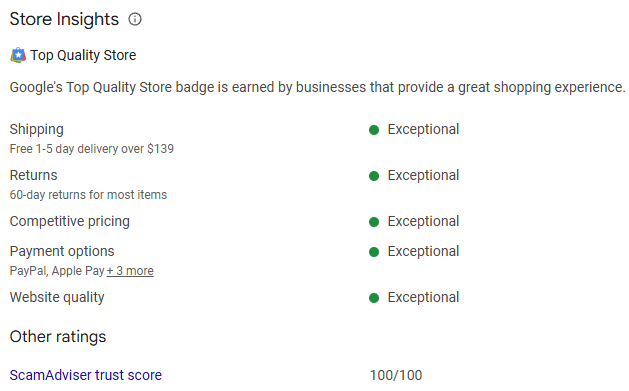
Prior to ordering, always read the Return Policy.
No Contact = No Go
A legitimate website will typically have clear and accessible contact information, including a physical address, phone number, and email address. If you can't find this information, or if it seems suspicious, it could be a red flag. CCO Menswear's contact information in the footer of our webpage and on our social media accounts. Click the links below to go to check out our social media accounts.
CCO Menswear is located in the Denver, CO, US and ships products from a number of US warehouses.
Analyze Website Design and Content
A fake website might have poor design, broken links, or low-quality images. Additionally, check for spelling and grammatical errors, as these can be indicators of a scam site. We see often on this mess on FAQ pages.
Watch Out for Phishing Emails.
Scammers love sending fake “order confirmations” or “delivery notifications.” Check the sender’s email address, hover over links before clicking, and when in doubt—go directly to the brand’s official site to verify your order. At CCO Menswear, you can check your entire order history by logging into your account. Didn't set up an account at checkout? That's ok! Simply enter your email and click "forgot password".
Online Shopping Safety Tips
Now that you know how to identify fake websites, let's focus on general online shopping safety tips to protect your personal information:
Use Strong, Unique Passwords

Enable Two-Factor Authentication
Two-factor authentication adds an extra layer of security to your accounts by requiring a second form of verification, such as a text message or app notification, in addition to your password. Yeah, we know it's a pain, but it's really one of the best ways to protect your accounts.
Keep Your Software Updated
Ensure that your computer, smartphone, and browser are always up-to-date with the latest security patches. Software updates often include fixes for vulnerabilities that cybercriminals could exploit.
Use a Secure Payment Method
Credit cards and trusted payment services (like PayPal, Apple Pay, or Shop Pay) offer stronger fraud protection than debit cards. These methods offer additional protections and make it easier to dispute fraudulent charges. Avoid wire transfers or peer-to-peer apps for purchases unless you know the seller personally. CCO Menswear offers PayPal, Apple Pay, GooglePay and pay over time (by paypal).
Be Cautious with Public Wi-Fi
Avoid making online purchases when connected to public Wi-Fi networks, as these can be insecure. If you must shop on public Wi-Fi, use a virtual private network (VPN) to encrypt your connection.
What to Do If You Encounter a Fake Website
If you suspect you've encountered a fake website, follow these steps:
Do Not Enter Personal Information
If you realize a site is fake, do not enter any personal or payment information. Close the browser window immediately.
Report the Website
Report the website to your country's consumer protection agency or a relevant online fraud watchdog. This can help protect other consumers from falling victim to the same scam.
Monitor Your Accounts
Keep a close eye on your bank and credit card statements for any unauthorized transactions. If you notice anything suspicious, contact your bank or credit card company right away.
Change Your Passwords
If you suspect that your account information might have been compromised, change your passwords immediately. This will help protect your accounts from unauthorized access.
Conclusion
Online shopping offers convenience and variety but comes with its own set of risks. By understanding how to identify fake websites and following online shopping safety tips, you can protect yourself from scams and ensure a secure shopping experience. Always stay vigilant and trust your instincts. If something seems too good to be true, it probably is. Happy and safe shopping!
